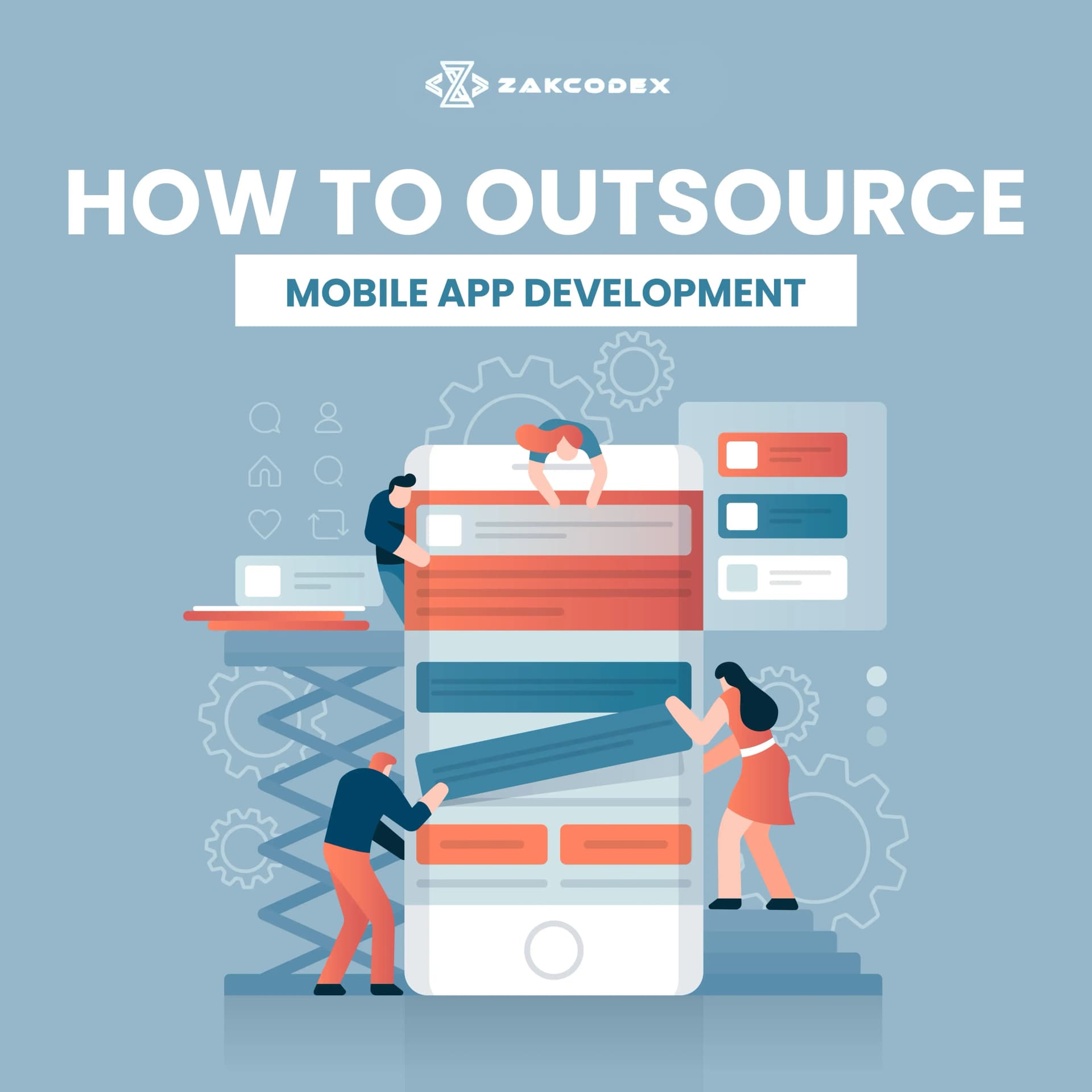
In today’s fast-paced digital world, building a mobile app can be a game-changer for businesses. However, not every company has an in-house team to design, develop, and maintain apps. This is where outsourcing comes in. By outsourcing your project to a professional Mobile App Development Company, you can access specialized skills, reduce costs, and speed up development timelines. Whether you are a startup looking to launch an MVP or a large enterprise aiming to scale, knowing how to outsource mobile app development effectively is crucial. Companies like ZakCodeX offer end-to-end solutions that make the process smooth and reliable.
This guide will cover everything you need to know, from choosing the right partner to managing your project successfully.
Why Outsourcing Mobile App Development Makes Sense
Outsourcing app development is no longer just a cost-saving measure. It offers several strategic advantages:
- Access to expertise – Outsourcing allows you to work with developers who specialize in the latest technologies, platforms, and frameworks.
- Faster time-to-market – Professional teams follow proven development workflows, helping you launch your app faster.
- Cost efficiency – You can avoid hiring a full in-house team and pay only for the services you need.
- Focus on core business – Outsourcing frees your team to concentrate on business strategy, marketing, and user acquisition.
By partnering with a trusted Mobile App Development Company, businesses can ensure high-quality code, robust performance, and seamless user experiences.
Understanding the Types of Mobile App Development Outsourcing
Before selecting an outsourcing partner, it’s essential to understand the different outsourcing models:
1. Dedicated Team Model
You hire a dedicated team of developers who work exclusively on your project. This model is ideal for long-term projects where collaboration and customization are key.
2. Project-Based Model
The outsourcing company handles the project from start to finish. This is suitable for well-defined projects with clear timelines and deliverables.
3. Staff Augmentation
This model allows you to hire additional developers to support your existing team temporarily. It is a flexible solution for scaling development capacity without long-term commitments.
Each model has its pros and cons, so choosing the right approach depends on your budget, project complexity, and level of involvement.
Key Steps to Outsourcing Mobile App Development Successfully
Outsourcing can be highly rewarding if done correctly. Here’s a step-by-step approach:
1. Define Your Project Requirements
Start by documenting your app’s features, target audience, and technical requirements. Include:
- Platform preference (iOS, Android, or cross-platform)
- Core functionalities and third-party integrations
- Design expectations and branding guidelines
- Budget and timeline
Having a clear brief ensures your outsourcing partner understands your vision and reduces the risk of miscommunication.
2. Research and Shortlist Mobile App Development Companies
Look for companies with a proven track record in your industry. Evaluate them based on:
- Portfolio and case studies
- Client testimonials and reviews
- Technical expertise and certifications
- Communication and project management practices
Companies like ZakCodeX have experience delivering customized mobile apps for various industries, ensuring quality and reliability.
3. Evaluate Technical Expertise
Ensure your chosen partner has experience in the technologies required for your project:
- Native development: Swift for iOS, Kotlin for Android
- Cross-platform frameworks: Flutter, React Native, or Xamarin
- Backend development: Node.js, Python, or PHP
- UI/UX design tools: Figma, Adobe XD
A skilled development team can also advise on performance optimization, security best practices, and app scalability.
4. Communicate Clearly and Set Expectations
Transparent communication is key to successful outsourcing. Define:
- Reporting frequency
- Project milestones and deliverables
- Testing and quality assurance procedures
- Payment terms and contracts
Using project management tools like Jira, Trello, or Asana ensures that everyone stays on track.
5. Protect Your Intellectual Property
Sign a Non-Disclosure Agreement (NDA) and include IP ownership clauses in your contract. This safeguards your ideas, code, and sensitive data.
6. Start with a Pilot Project
If you’re uncertain about a partner, start with a smaller pilot project. Evaluate the team’s skills, reliability, and responsiveness before committing to larger projects.
Benefits of Choosing an Experienced Mobile App Development Company
Partnering with an experienced company brings several advantages:
- High-quality development: Experienced teams follow coding standards and best practices.
- Faster deployment: Professional developers can accelerate development without compromising quality.
- Post-launch support: Many companies provide ongoing maintenance, bug fixes, and updates.
- Cost transparency: Clear pricing and timelines reduce financial surprises.
By outsourcing to a reputable company, you gain access to resources and expertise that might not be feasible in-house.
Common Mistakes to Avoid When Outsourcing
While outsourcing is beneficial, mistakes can lead to project delays or budget overruns. Avoid these pitfalls:
- Skipping due diligence: Don’t choose a partner based solely on price.
- Unclear requirements: Vague briefs lead to misaligned expectations.
- Poor communication: Lack of regular updates can create misunderstandings.
- Neglecting IP agreements: Protect your app’s ideas and code legally.
- Ignoring testing: Quality assurance is critical for app stability and performance.
By proactively addressing these issues, you can ensure a smoother development process.
Cost Considerations for Outsourced App Development
Outsourcing costs vary depending on several factors:
- Complexity of the app: Simple apps cost less than enterprise-grade solutions.
- Platform choice: Developing for both iOS and Android increases the budget.
- Design requirements: Custom UI/UX design adds to the cost.
- Development location: Offshore developers may offer lower rates but consider quality and communication.
It’s important to balance cost with quality. Investing in a skilled team can save money in the long run by avoiding rework or poor app performance.
How to Measure the Success of Your Outsourced App
Once your app is developed, measuring its success ensures that your investment delivers value:
- User engagement: Track downloads, active users, and retention rates.
- Performance metrics: Monitor app speed, crashes, and error rates.
- ROI analysis: Compare development costs with revenue generated or business impact.
- User feedback: Collect reviews and ratings to identify improvement areas.
A reliable outsourcing partner often provides analytics support to help you track these metrics effectively.
Conclusion
Outsourcing mobile app development can be a strategic advantage for businesses of all sizes. By following best practices, choosing the right outsourcing model, and partnering with a reputable Mobile App Development Company, you can save time, reduce costs, and deliver a high-quality app to your users. Companies like ZakCodeX specialize in delivering customized mobile solutions, ensuring your project runs smoothly from concept to launch. Whether you’re building a startup MVP or a complex enterprise app, outsourcing can help you achieve your goals efficiently and effectively.
By investing in a trusted partner, you focus on growing your business while leaving the technical expertise to professionals.