Developing an app takes careful planning, teamwork, and time. If you are considering hiring a Mobile App Development Company, especially ZakCodeX, for your next project, one of the most common questions you will ask is how long it takes to develop a mobile app. Understanding the time it takes from idea to launch helps you plan your budget, marketing strategy and timeline. This blog post will walk you through each phase of mobile app development, typical timelines, real industry benchmarks, and tips to speed up the process while ensuring quality.
Whether you are building an iOS app, an Android app or a cross-platform solution, this guide covers the estimated app development timeline, factors that influence it, and how experts estimate project duration correctly.
What is Mobile App Development
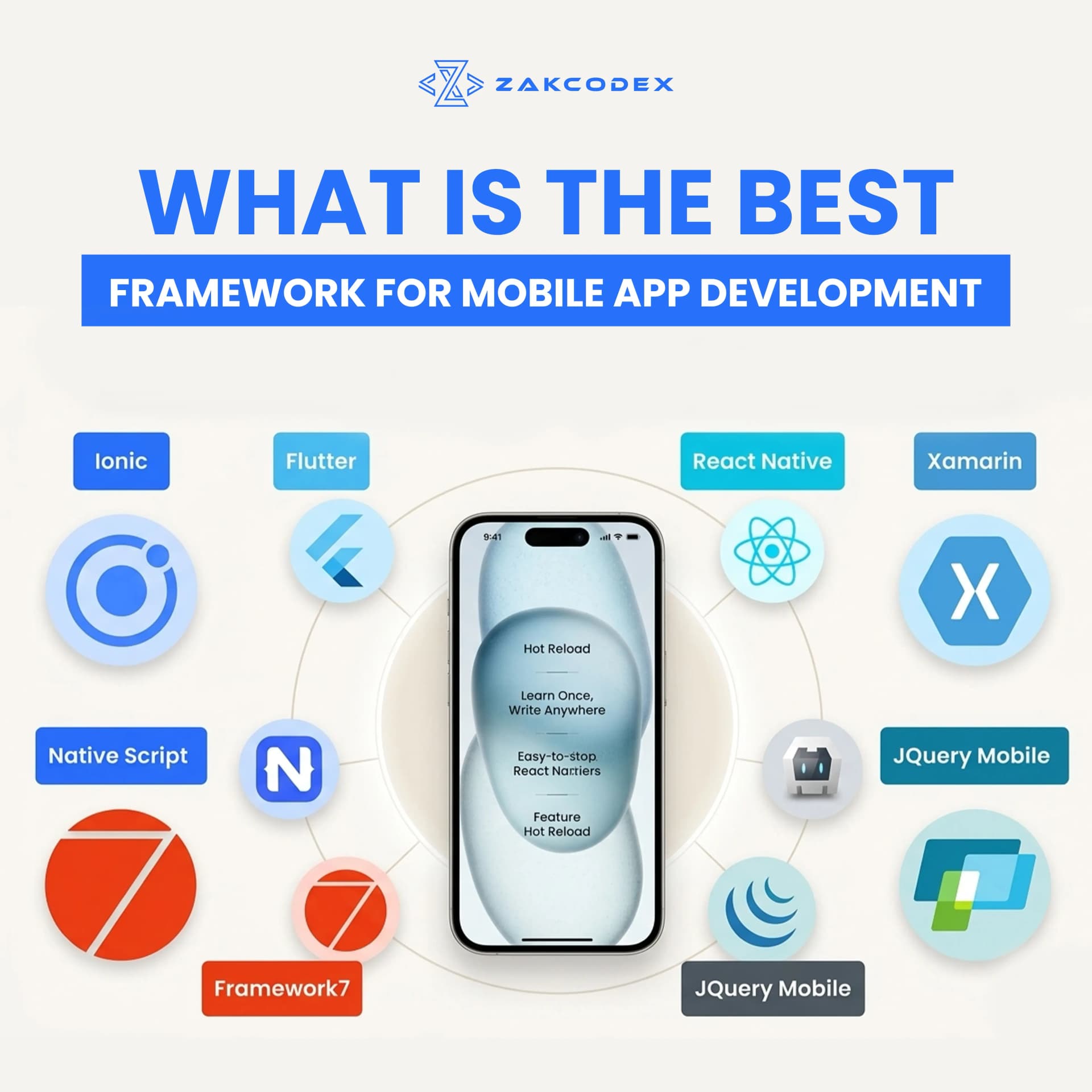
Mobile app development means creating software applications that run on smartphones and tablets. Apps can be native apps, hybrid apps, or cross-platform apps using frameworks like React Native and Flutter. In simple words, it is the full process of designing, coding, testing, deploying, and maintaining applications for mobile devices.
Apps range from simple MVP apps with basic features to complex enterprise apps that need backend servers, third party API integrations, cloud sync features, security layers, and more.
When choosing ZakCodeX, a trusted full-service partner, you get support from idea validation to launch and beyond.
Why Time Matters in App Development
Time to market determines how fast you can start generating revenue and outpace competitors. While speed is important, quality and stability cannot be compromised. A rushed app causes bugs, bad user experience, and higher maintenance costs.
Here are key reasons why understanding app development duration matters:
- Budget Planning: Development time directly affects the cost.
- Marketing Launch: Setting realistic launch dates improves campaigns.
- Resource Allocation: Teams can plan resources effectively.
- Investor Expectations: Investors need realistic milestones.
Now let us explore how much time is needed at each stage.
Typical Mobile App Development Time Breakdown
Mobile app development can be divided into phases. Each phase has deliverables and contributes to the total time needed.
1. Idea Validation and Research (1 to 2 Weeks)
Before coding starts, you must validate your concept. This includes market research, competitor analysis, and user surveys.
Activities Include:
- Validating market demand
- Identifying core app features
- Studying competitor apps
- Defining unique value proposition
Typical duration: 1 to 2 weeks
2. Planning and Requirements (2 to 4 Weeks)
This phase takes your idea and turns it into a documented plan. A good requirements plan reduces delays later.
Includes:
- Creating software requirement specification
- App architecture design
- Determining technical stack
- Choosing platforms (iOS, Android, or both)
Estimated time: 2 to 4 weeks
3. UI / UX Design (3 to 6 Weeks)
Design is the stage where your app comes to life visually. App design impacts user experience, engagement, and retention.
Design work includes:
- Wireframes and prototypes
- User experience flow mapping
- Visual interface design
- Interactive mockups
Design takes about 3 to 6 weeks depending on complexity.
4. Development and Coding (8 to 20 Weeks)
This is the longest phase. Timelines vary based on app complexity and team size.
Development includes:
- Frontend app engineering
- Backend development
- API and third party integrations
- Push notifications, security, analytics
Typical breakdown:
| App Type | Estimated Coding Time |
|---|---|
| Basic App | 8 to 12 weeks |
| Medium Complexity | 12 to 18 weeks |
| Complex Enterprise App | 18 to 26+ weeks |
Estimated time: 8 to 20+ weeks
5. Testing and Quality Assurance (3 to 6 Weeks)
Quality Assurance (QA) ensures your app works smoothly across devices and conditions.
Testing tasks:
- Functional testing
- Usability testing
- Beta testing with real users
- Bug tracking and fixing
Typical QA duration: 3 to 6 weeks
6. Deployment to App Stores (1 to 3 Weeks)
Deploying your app to Google Play and Apple App Store takes time due to review processes.
Deployment steps:
- Preparing app store assets
- Writing descriptions and screenshots
- Submitting to Apple and Google
- Review and approval time
Typical app store approval:
- Google Play: 1 to 3 days
- Apple App Store: 1 to 2 weeks
Time needed: 1 to 3 weeks
7. Post Launch Support and Updates (Ongoing)
After launch, continuous improvements, analytics monitoring, and feedback implementation are essential.
This includes:
- Bug fixes
- Feature enhancements
- Performance optimization
- Version updates
Support is ongoing and impactful to your app success.
So How Long Does it Really Take to Develop a Mobile App?
Now that we have broken down every primary phase, here is the combined timeline:
| Project Type | Estimated Total Time |
|---|---|
| Simple MVP | 12 to 16 weeks |
| Moderate App | 16 to 28 weeks |
| Complex Mobile App | 28 to 40+ weeks |
Keep in mind these are estimates. Each project is different based on features, team expertise, and feedback cycles.
Key Factors That Affect Mobile App Development Timeline
Time varies based on the following:
1. App Platform Choices
- Single platform: quicker
- Cross-platform or native dual-platform: takes longer
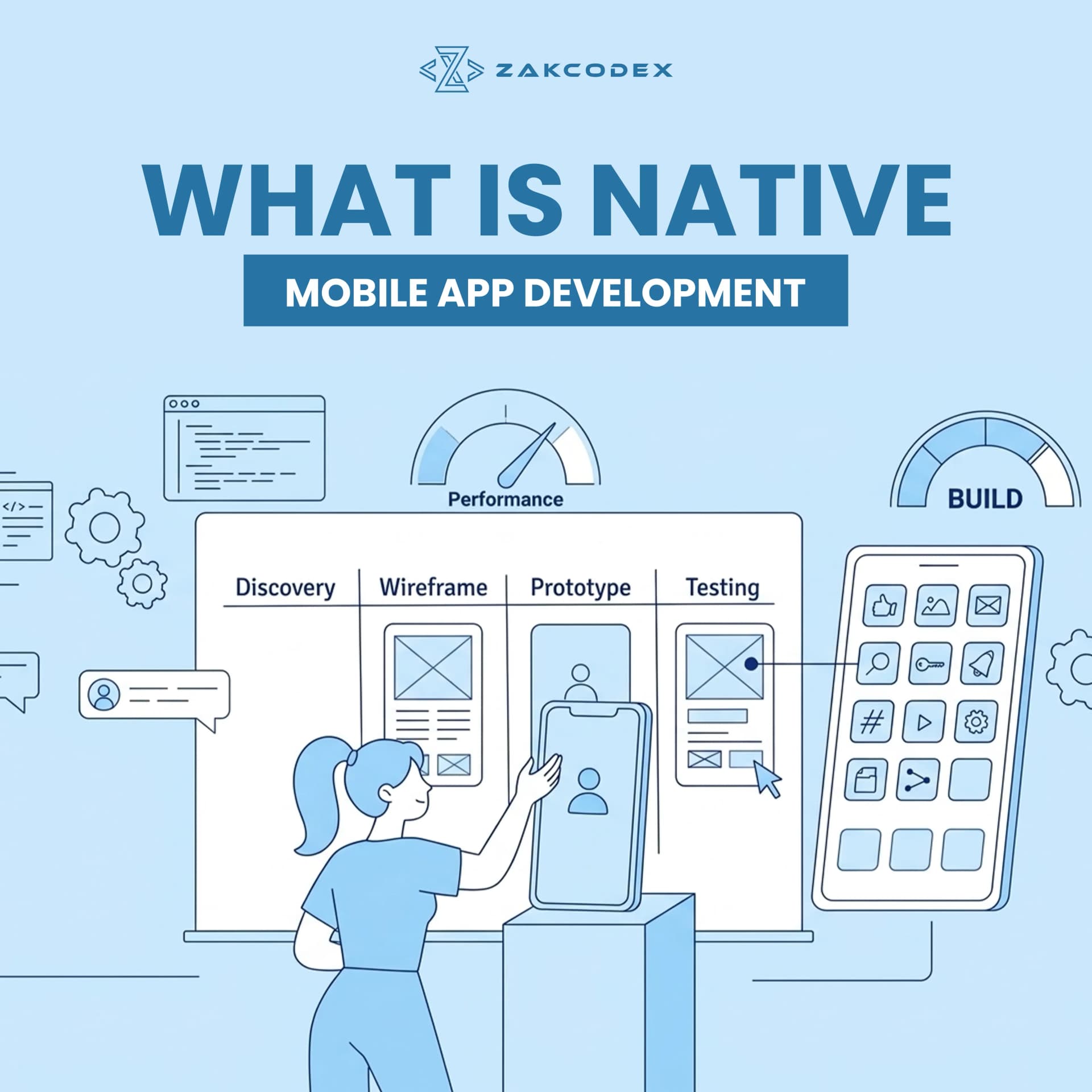
Native apps require separate development for iOS and Android. Cross-platform frameworks can reduce time but sometimes cost more in maintenance.
2. App Complexity and Features
Apps with simple login, basic screens, and minimal interactions take less time than apps with:
- Real-time chat
- Geolocation features
- Payment gateways
- AR / VR elements
3. Backend Infrastructure
Apps that require powerful backend servers, scalable databases, and cloud architecture take more development time.
4. Team and Resources
Experienced developers, designers, and project managers reduce rounds of revisions and save time.
5. Third Party Integrations
Integrating APIs for maps, payments, messaging or analytics increases development cycles.
6. UI / UX Revisions
Faster approvals from stakeholders speed up the design phase.
7. Testing Cycles
More testing rounds cause a longer timeline but ensure better quality.
How to Speed Up App Development
If you need faster results, follow these tips:
Use Agile Development
Agile allows iterative releases every few weeks so you get early versions out faster.
Build an MVP First
Minimum Viable Product helps verify market demand with basic features. You can improve later based on user feedback.
Use App Development Frameworks
Frameworks like React Native and Flutter let developers write code once for both iOS and Android.
Choose Experts for App Development
A professional team like ZakCodeX brings experience, reduces errors, and delivers faster results.
Estimating App Development Cost Based on Time
Time is directly connected to app development cost. Longer projects cost more because:
- Developers charge hourly
- QA testing requires more cycles
- Design iterations take more effort
Here is a rough guideline:
| Time Range | Estimated Cost |
|---|---|
| 12 to 16 weeks | Low to mid-range |
| 16 to 28 weeks | Mid-range |
| 28 to 40+ weeks | High complexity |
Actual cost depends on developer rates in your region and the skill level of the team.
Common Mistakes That Delay Development
1. Poor Planning
Skipping detailed requirements early causes revisions later.
2. Frequent Feature Changes
Change requests mid-development slow down teams.
3. Not Testing Early
Testing only at the end causes more bugs and delays.
4. Ignoring User Feedback
Ignoring early user validation can lead to rewrites.
Best Practices to Stay On Track
To ensure your app project runs on schedule:
- Define features clearly before coding
- Review designs early
- Plan multiple testing cycles
- Set realistic milestones
- Communicate with your development team often
Final Thoughts on Mobile App Development Time
To build a high quality, user friendly, and high performance app, you need time, expertise, and planning. There is no single fixed answer to how long it takes to develop a mobile app, but typical ranges help you plan every step confidently.
Any business or startup looking to build an app needs a reliable partner. Working with a professional Mobile App Development Company like ZakCodeX can significantly reduce development time, ensure quality delivery, and help you succeed in the competitive mobile landscape.
If you are ready to bring your app idea to reality, contact ZakCodeX today to get an accurate timeline and free quote from expert developers.