In a competitive digital market like Birmingham, a website is more than a digital brochure. It is the core of a brand’s online identity. When businesses invest in professional website design, branding becomes the factor that transforms a simple website into a memorable online experience. Companies looking for a reliable ZakCodeX level service often seek a Website Design Company in Birmingham that understands how branding shapes user perception and drives engagement.
A strong brand presence helps businesses stand out, build credibility, and communicate value instantly. From visual identity to messaging consistency, branding ensures that every page of a website reflects the company’s personality and purpose. In this article, we explore how branding influences effective web design and why it plays a crucial role in the success of Birmingham businesses.
Understanding Branding in Website Design
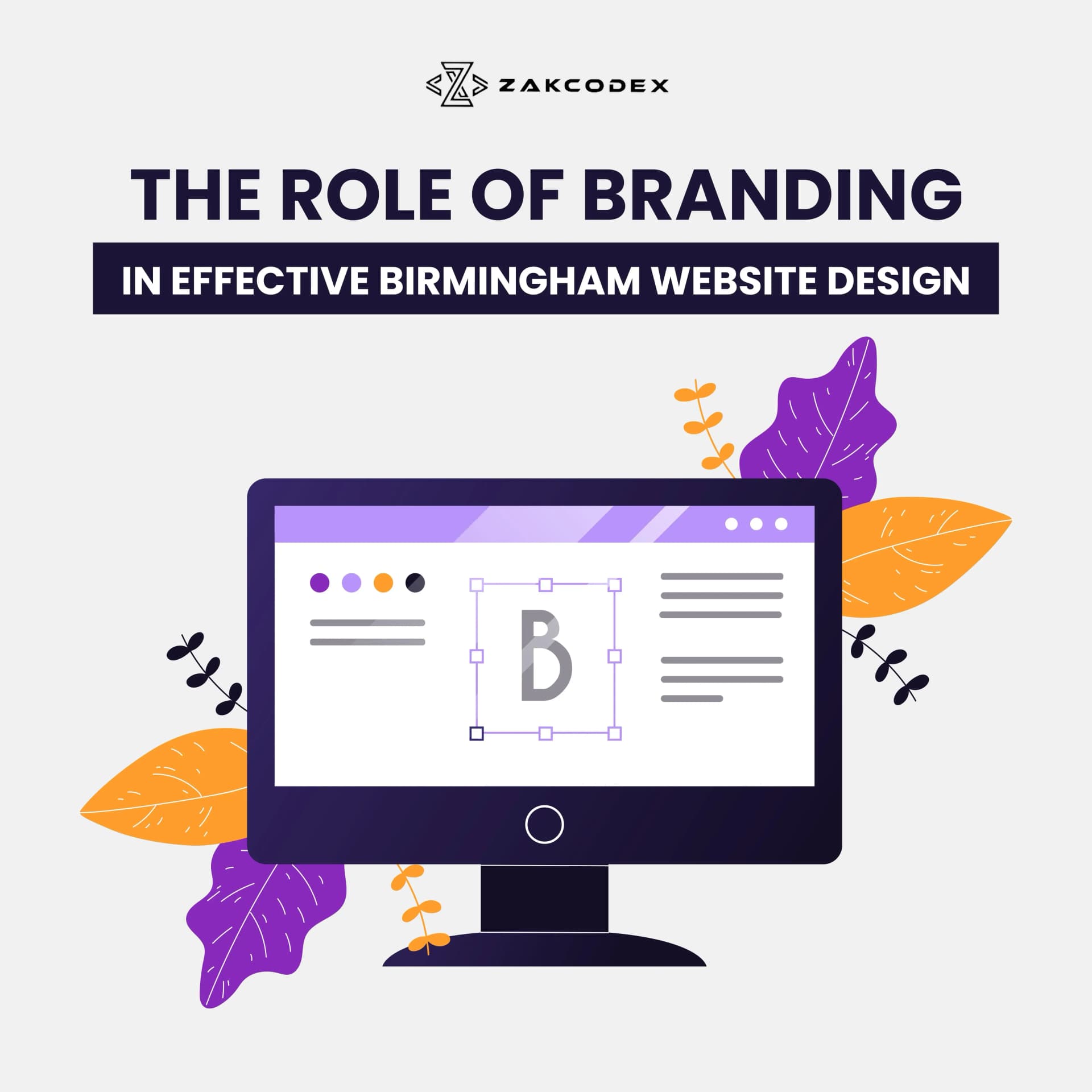
Branding in website design refers to the strategic use of visual elements, messaging, and user experience to represent a company’s identity online. It includes elements such as:
- Logo design
- Brand colors and typography
- Tone of voice and messaging
- Visual style and imagery
- Consistent layout and UI patterns
A well-branded website communicates who the business is and what it offers within seconds. Visitors should immediately recognize the brand’s personality and feel confident in the services or products being offered.
For local businesses in Birmingham, effective branding can be the difference between a visitor leaving the site or becoming a loyal customer.
Why Branding Matters in Birmingham Website Design
1. Creates a Strong First Impression
Website visitors typically decide within a few seconds whether they want to stay or leave. Branding ensures that the first impression is professional and memorable.
Key elements that influence first impressions include
- Clean and modern design
- Consistent brand colors
- High-quality visuals
- Clear brand messaging
A well-branded website signals professionalism and builds trust immediately.
2. Builds Trust and Credibility
Trust is a major factor in online decision making. When a website reflects a strong brand identity, it reassures visitors that the business is legitimate and reliable.
Elements that strengthen trust include:
- Consistent branding across pages
- Professional design standards
- Clear service descriptions
- Authentic brand storytelling
Companies working with experienced agencies such as ZakCodeX often focus heavily on brand consistency to ensure every digital touchpoint aligns with the company’s image.
3. Improves User Experience
Branding does not only affect visuals. It also shapes the user experience (UX).
A well-branded website guides users naturally through the site using familiar visual cues and consistent design patterns. This improves navigation and helps users find information quickly.
Examples include:
- Consistent button styles
- Recognizable call-to-action elements
- Logical page structure
- Easy-to-read typography
When branding supports usability, visitors stay longer and engage more with the website.
4. Strengthens Brand Recognition
Brand recognition is essential for long-term business growth. When visitors repeatedly see the same brand colors, typography, and messaging style, they begin to remember the brand.
Strong recognition leads to:
- Higher customer loyalty
- More return visitors
- Increased word of mouth marketing
- Stronger online authority
For businesses competing in Birmingham’s growing digital marketplace, brand recognition helps differentiate them from competitors.
Key Branding Elements in Effective Website Design
To create a powerful website, designers must integrate several branding components.
Logo and Visual Identity
The logo is often the first brand element visitors notice. It should be placed prominently on the website and integrated into the design.
Important factors include:
- Clear visibility on all pages
- Responsive design for mobile devices
- Consistent usage across digital platforms
A strong logo strengthens brand recognition and reinforces identity.
Brand Colors
Color psychology plays a powerful role in branding. Colors influence how users perceive a brand and can trigger emotional responses.
Common examples include:
- Blue for trust and professionalism
- Green for sustainability and growth
- Red for excitement and urgency
- Black for luxury and sophistication
Using consistent brand colors throughout the website ensures visual harmony and strengthens identity.
Typography and Readability
Typography affects both aesthetics and usability. Branded typography creates a recognizable visual style.
Effective typography should:
- Match the brand personality
- Maintain readability across devices
- Use hierarchy to guide users through content
Headings, subheadings, and body text should follow a clear structure to enhance the user experience.
Consistent Imagery and Graphics
Images are powerful storytelling tools. Businesses should use visuals that reflect their brand values and target audience.
Examples include:
- Professional photography
- Branded illustrations
- Custom icons
- Lifestyle images that reflect the brand identity
Consistency in imagery creates a cohesive visual experience across the entire website.
The Role of Branding in Local SEO
Branding also supports search engine optimization (SEO). Search engines value recognizable brands and trusted websites.
Strong branding can contribute to:
- Higher click through rates
- Increased brand searches
- Better user engagement metrics
- Improved search rankings
When users recognize a brand in search results, they are more likely to click on the link. This increases traffic and strengthens the website’s authority.
Businesses working with a professional agency like ZakCodeX often combine branding strategies with SEO techniques to maximize online visibility.
Branding and Conversion Optimization
A website’s ultimate goal is to convert visitors into customers. Branding plays a crucial role in this process.
Strong branding supports conversions by:
- Building trust with visitors
- Creating emotional connections
- Communicating clear value propositions
- Guiding users toward action
Effective websites combine branding with strategic call to action elements such as:
- Contact forms
- Quote request buttons
- Newsletter sign ups
- Product purchase options
When branding and conversion design work together, businesses experience higher engagement and increased revenue.
Mobile-Friendly Branding
Today, a significant portion of web traffic comes from mobile devices. Branding must remain consistent across all screen sizes.
Responsive web design ensures that brand elements adapt smoothly to smartphones and tablets.
Important considerations include:
- Mobile optimized logo placement
- Scalable typography
- Fast loading images
- Touch friendly navigation
A mobile friendly branded website ensures that users enjoy a consistent experience regardless of the device they use.
Branding Consistency Across Digital Channels
A website is only one part of a company’s digital presence. Branding must remain consistent across all channels including:
- Social media platforms
- Email marketing campaigns
- Online advertisements
- Content marketing
When users encounter the same brand style across different platforms, it reinforces recognition and builds stronger trust.
For example, a visitor who sees a social media advertisement should immediately recognize the same branding when they land on the company’s website.
Common Branding Mistakes in Website Design
Many businesses underestimate the importance of branding in web design. Some common mistakes include:
Inconsistent Visual Identity
Using different colors, fonts, or styles across pages can confuse visitors and weaken the brand image.
Overcrowded Design
Too many visual elements can distract users from the brand message. Simplicity and clarity are essential.
Ignoring Brand Story
A website should communicate the company’s story and values. Without this narrative, the brand may feel generic.
Lack of Strategic Messaging
Branding should clearly explain what the business offers and why customers should choose it.
Avoiding these mistakes ensures that the website communicates a strong and cohesive brand identity.
How Professional Web Design Agencies Integrate Branding
Professional web design agencies follow a strategic process to incorporate branding into website development.
This typically includes:
- Brand discovery and research
- Competitor analysis
- Visual identity development
- UX and UI design
- Brand-focused content strategy
Agencies combine design expertise with marketing strategy to ensure the website aligns with the company’s business goals.
Future Trends in Branding and Web Design
The relationship between branding and web design continues to evolve. Several trends are shaping the future of digital branding.
Personalized User Experiences
Websites are increasingly using data to deliver personalized content and recommendations.
Interactive Design Elements
Animations, microinteractions, and dynamic visuals help brands create engaging experiences.
Minimalist Brand Design
Many companies are shifting toward clean, simple designs that emphasize clarity and usability.
Story-Driven Content
Brands are focusing more on storytelling to create emotional connections with audiences.
Businesses that adopt these trends can stay ahead in the competitive Birmingham digital market.
Conclusion
Branding plays a fundamental role in effective website design. It shapes how visitors perceive a business, influences trust, and strengthens long term brand recognition. From visual identity and messaging to user experience and SEO, branding ensures that every element of a website works together to communicate a clear and compelling story.
For businesses seeking professional digital solutions, working with experienced teams like ZakCodeX can make a significant difference. By combining strategic branding with modern web design techniques, companies can create websites that not only look impressive but also drive meaningful results and business growth.
A well branded website is not just about aesthetics. It is a powerful marketing tool that helps Birmingham businesses attract customers, build credibility, and stand out in an increasingly competitive online landscape.