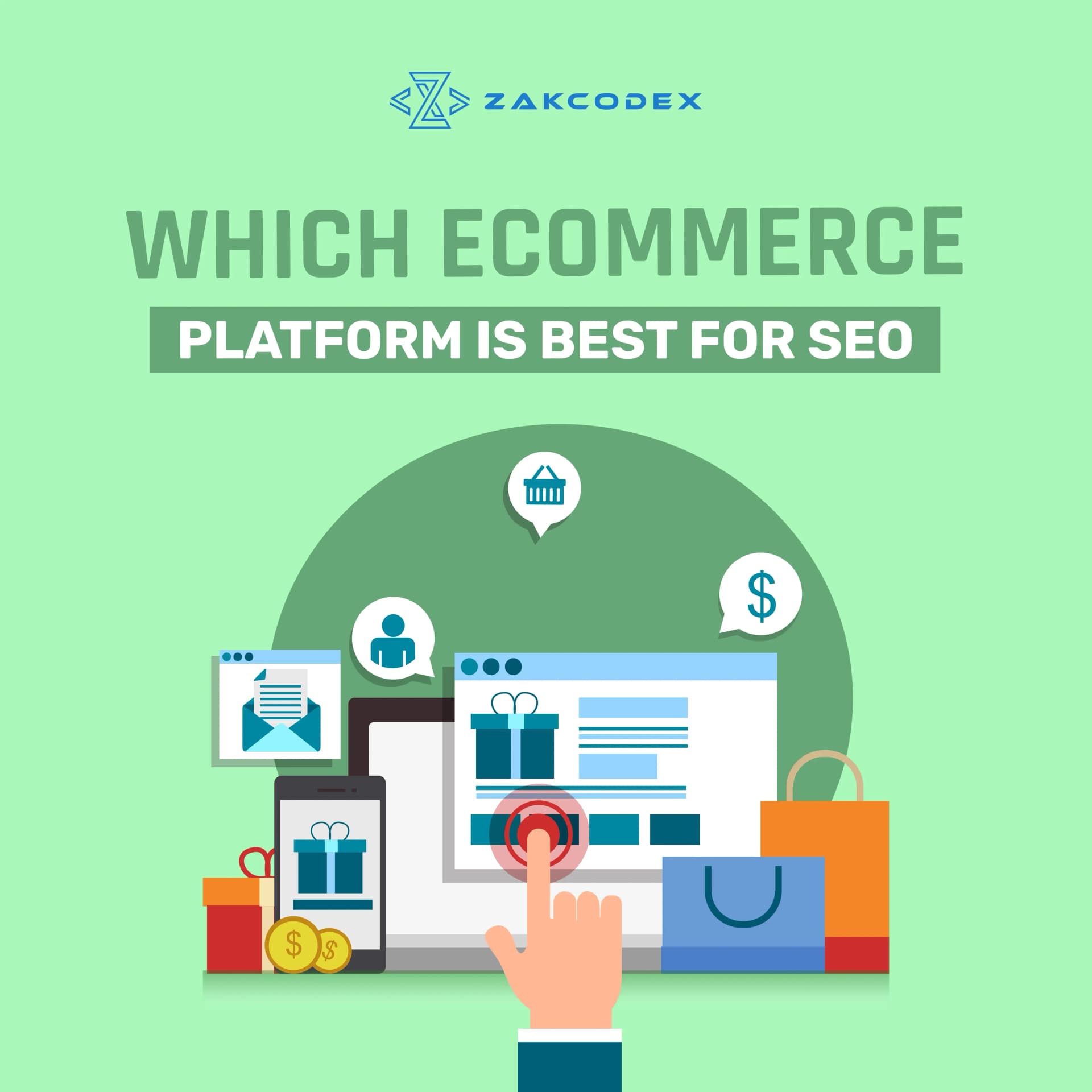
Selecting the right eCommerce platform is one of the most important decisions when building an online store. Beyond beautiful design and user-friendly features, your choice of platform directly affects how well your store performs in search engines. Good SEO means your products are easier to find, your store gets more visitors, and your sales grow faster.
With so many options available like Shopify, WooCommerce, Magento, Wix, and BigCommerce, it can be difficult to know which one offers the best SEO advantages. This guide breaks down the SEO strengths and weaknesses of the most popular platforms to help you make the best decision for your business.
Why SEO Is Essential for eCommerce
Search engine optimization helps search engines understand what your website offers. When your store is optimized correctly, it appears higher in search results for relevant product searches. This visibility drives organic traffic, which is often more valuable than paid traffic because it comes from users who are actively looking for what you sell.
An SEO-friendly eCommerce platform should allow you to:
- Customize URLs, meta tags, and headings
- Improve loading speed and mobile responsiveness
- Add structured data for rich snippets
- Manage redirects and canonical tags
- Create and organize product categories effectively
Choosing a platform with strong SEO features gives your store a competitive edge from the start.
Shopify
Shopify is one of the most popular eCommerce platforms because it is simple, stable, and beginner-friendly. It is hosted in the cloud, meaning you do not have to worry about maintenance or server management.
SEO Advantages:
Shopify automatically creates clean URLs and adds canonical tags to prevent duplicate content issues. It allows editing of meta titles, descriptions, and image alt text. The platform’s fast hosting ensures quick load times, which improves both user experience and search rankings.
SEO Limitations:
Shopify restricts how much you can customize URL structures. For example, you cannot remove default elements like “/collections/” or “/products/”. This lack of flexibility can make it harder to create perfectly optimized URLs.
Best For:
Small and medium businesses that want an easy setup and reliable SEO performance without dealing with technical complexities.
WooCommerce
WooCommerce is a WordPress plugin that turns your website into a complete eCommerce store. It is one of the most flexible platforms and ideal for those who want total control over SEO.
SEO Advantages:
Because WooCommerce runs on WordPress, it inherits powerful SEO capabilities. You can manage every part of your store’s SEO, from URLs to schema markup. It integrates seamlessly with plugins like Yoast SEO and Rank Math, making optimization easier. The blogging feature also helps with content marketing, which is essential for ranking product pages.
SEO Limitations:
WooCommerce is self-hosted, so site speed and reliability depend on your hosting provider. You may need technical knowledge or a developer to maintain performance as your store grows.
Best For:
Businesses that want complete SEO control and are willing to handle more of the technical setup. WooCommerce is ideal for long-term growth and content-driven stores.
Magento (Adobe Commerce)
Magento, now called Adobe Commerce, is a powerful eCommerce platform built for enterprise-level businesses. It offers almost unlimited customization options but requires a professional development team to manage.
SEO Advantages:
Magento gives full control over metadata, URLs, and structured data. It includes advanced features like canonical tags, 301 redirects, and rich snippet support. The platform can handle large product catalogs without performance issues if configured properly.
SEO Limitations:
Magento has a steep learning curve and is expensive to maintain. It also requires strong hosting and ongoing technical support to achieve its full SEO potential.
Best For:
Large organizations with in-house technical teams or enterprise budgets that require custom solutions and global scalability.
BigCommerce
BigCommerce is a hosted eCommerce solution known for its speed and built-in SEO tools. It strikes a balance between simplicity and advanced functionality.
SEO Advantages:
BigCommerce provides clean URLs and automatically generates sitemaps. It allows editing of meta tags, alt text, and robots.txt files. With built-in CDN hosting, your store loads quickly for users around the world. The platform also supports AMP pages, which improve mobile visibility.
SEO Limitations:
Although BigCommerce offers strong SEO performance, customization is not as flexible as WooCommerce or Magento. Some features require paid add-ons.
Best For:
Medium to large businesses that want a scalable and SEO-friendly solution with minimal maintenance needs.
Wix eCommerce
Wix has made big improvements in its SEO capabilities over recent years. It is a great choice for small shops or entrepreneurs starting out with online sales.
SEO Advantages:
Wix includes built-in SEO tools, customizable meta tags, and image optimization options. It automatically creates mobile-friendly pages and offers direct integration with Google Search Console. The platform also provides SEO guidance, helping beginners optimize their stores easily.
SEO Limitations:
Wix is limited when it comes to advanced SEO settings. It is not designed for large stores or businesses that require complex customization.
Best For:
Startups, small retailers, and individuals who want a simple store setup with basic SEO features.
Which eCommerce Platform Performs Best for SEO
If your priority is SEO performance and flexibility, WooCommerce stands out as the top choice. It gives full control over optimization and integrates seamlessly with the best SEO tools. Since it runs on WordPress, you can also create blogs, landing pages, and guides that attract organic traffic.
For those who want a balance of usability and performance, Shopify and BigCommerce are excellent alternatives. They provide strong built-in SEO functionality and handle technical work behind the scenes.
Magento is ideal for large corporations that require advanced customization, while Wix remains a good entry-level option for beginners who prioritize simplicity.
The right choice depends on your technical ability, budget, and growth plans.
How to Maximize SEO on Any Platform
Regardless of which platform you choose, following SEO best practices will make a significant difference in your store’s visibility.
- Write unique product descriptions. Avoid using manufacturer content and focus on keywords your customers search for.
- Optimize product images. Use descriptive filenames, add alt text, and compress images for faster loading.
- Use internal linking. Link between product categories, blog posts, and related items to help search engines understand your site structure.
- Focus on mobile optimization. Ensure every page looks and works well on mobile devices.
- Create a blog. Regularly publish helpful content related to your products to attract backlinks and build authority.
- Monitor analytics. Use Google Search Console and Analytics to track performance, fix errors, and find new opportunities.
Consistency is key. Regular updates and ongoing optimization will help your eCommerce store maintain visibility and adapt to search engine changes.
Final Thoughts
There is no one-size-fits-all answer to which eCommerce platform is best for SEO. WooCommerce provides unmatched freedom and power for SEO experts. Shopify and BigCommerce deliver simplicity with reliable results for growing businesses. Magento supports enterprise-level customization, while Wix is best for smaller startups.
The most important thing is to choose a platform that aligns with your business goals, offers SEO flexibility, and supports long-term growth. With the right foundation and consistent optimization, your store can attract steady organic traffic and increase conversions over time.