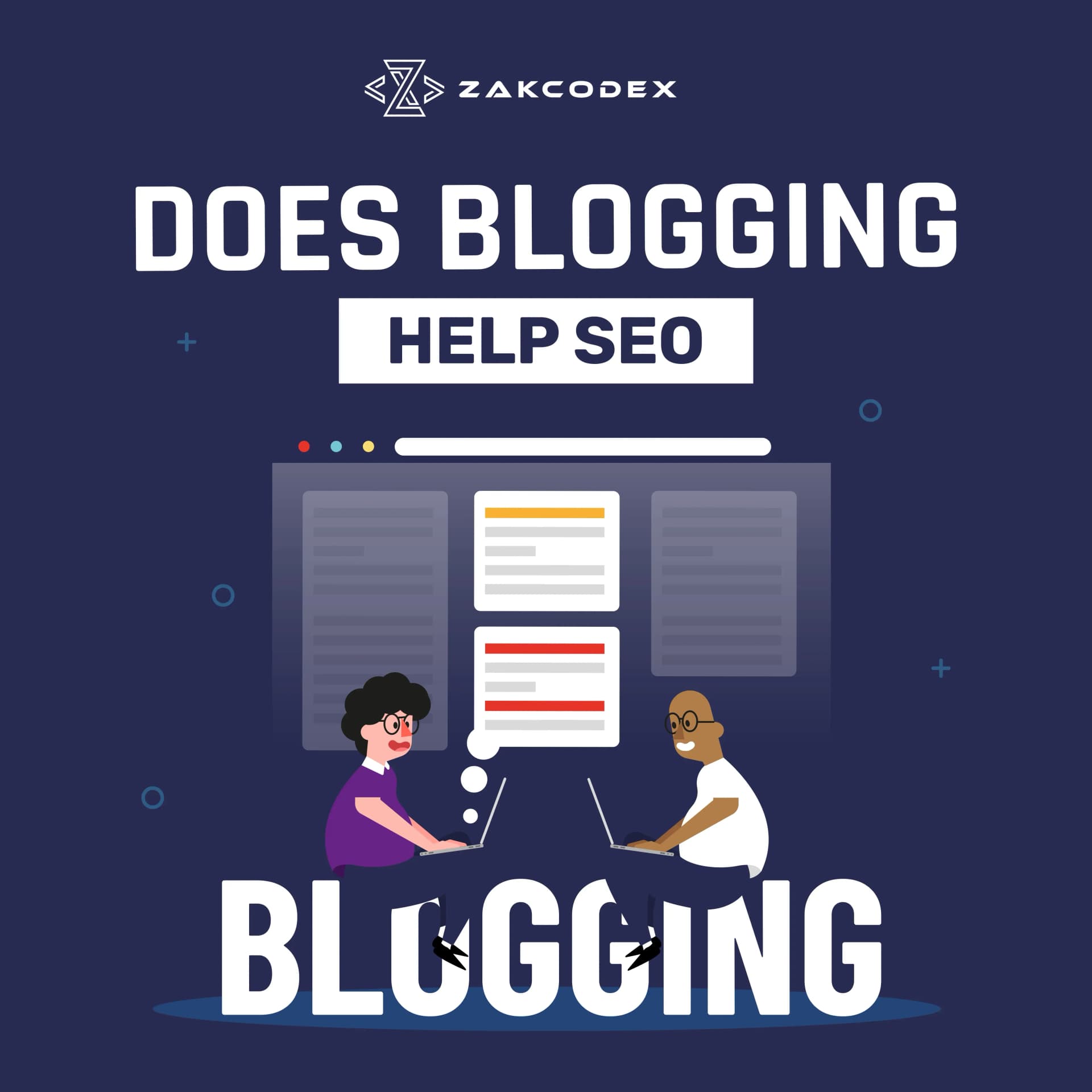
When it comes to improving your website’s visibility, few strategies are as effective and long-lasting as blogging. Blogging not only helps attract new visitors but also builds authority, trust, and engagement with your audience.
Search engines like Google reward websites that consistently publish fresh, relevant, and high-quality content. This makes blogging one of the most powerful ways to strengthen your search engine optimization (SEO) strategy.
In this guide, we’ll explore how blogging helps SEO, why it works, and the best ways to make your blog a true growth engine for your website.
What Is Blogging in the Context of SEO?
Blogging is the practice of publishing written content on your website, usually in the form of articles, guides, news updates, or tutorials. In SEO terms, blogging is a method to create and optimize new pages that target specific keywords and answer users’ questions.
Each blog post you publish becomes an opportunity for your site to appear in search results. Over time, a collection of well-written blogs can dramatically increase your organic traffic.
When done strategically, blogging supports all areas of SEO including keyword targeting, internal linking, backlink generation, and content freshness.
How Blogging Improves SEO
1. Blogging Increases Indexed Pages
Every blog post you create is another page that search engines can crawl and index. More indexed pages give search engines more opportunities to rank your content for different keywords and topics.
If your website only has a few static pages such as “Home,” “About,” and “Contact,” it has limited chances to appear in search results. By publishing blogs consistently, you give search engines more content to discover, improving your overall site visibility.
2. Blogs Target Long-Tail Keywords
Long-tail keywords are specific search phrases that people use when they are close to making a decision. For example, someone searching for “best budget running shoes for flat feet” has a clear intent.
Blogs are perfect for targeting these long-tail keywords because they allow you to write in-depth content that answers specific questions. By ranking for many low-competition long-tail searches, you can drive steady, qualified traffic that converts better than generic visitors.
3. Blogging Builds Topical Authority
Search engines want to show results from websites that demonstrate expertise in a specific area. When you consistently publish high-quality blogs on topics related to your niche, you build topical authority.
For instance, a fitness brand that regularly writes about workout routines, nutrition tips, and recovery methods will be seen as an authority in the fitness space. This makes it easier for all pages on that site, including product or service pages, to rank higher.
4. Blogs Improve Internal Linking
Internal links connect one page on your website to another. They help search engines understand your site structure and distribute ranking power across your pages.
Each time you publish a blog post, you can link to other relevant pages such as product listings or service pages. This strengthens the relationship between your content and increases the visibility of your most important pages.
Internal linking also improves user experience by guiding visitors to more useful content, keeping them on your site longer and reducing bounce rate.
5. Blogs Generate Backlinks Naturally
Backlinks are links from other websites to your own, and they are one of the strongest ranking factors in SEO. However, people rarely link to sales pages. They are much more likely to link to educational or insightful content.
When you publish valuable blog posts that others find useful, you increase your chances of earning backlinks naturally. Over time, these backlinks help boost your domain authority, making all your content more competitive in search rankings.
6. Blogging Keeps Your Website Fresh
Search engines favor websites that regularly update their content. A blog allows you to keep your site active without constantly changing your main pages.
When you publish new posts, you signal to Google that your website is alive, relevant, and offering up-to-date information. This can encourage more frequent crawling, leading to faster indexing and better visibility.
7. Blogs Improve User Engagement
Blogging provides an opportunity to educate, entertain, and connect with your audience. Visitors who find your content helpful are more likely to stay longer, explore your site, and eventually make a purchase or contact you.
User engagement metrics like time on page, bounce rate, and pages per session indirectly influence SEO by showing Google that your site delivers value. The more engaging your content, the stronger your SEO signals.
8. Blogs Enhance Content for Voice Search
Voice search is growing rapidly, with users asking conversational questions through assistants like Google Assistant, Siri, or Alexa. Blogging helps you capture this traffic by allowing you to write content that directly answers these natural-language questions.
For example, a blog titled “What are the best home workout exercises for beginners?” targets how people speak rather than how they type, helping your site appear in voice search results.
9. Blogging Builds Brand Credibility
Consistently publishing valuable insights shows expertise and builds trust with your audience. When potential customers find answers to their questions on your site, they begin to see your brand as a reliable resource.
Trust and credibility not only attract loyal readers but also encourage conversions. A blog that educates users builds long-term relationships, turning visitors into customers.
How to Make Blogging Work for SEO
Blogging can be powerful, but only when done strategically. Here are some ways to make sure your efforts actually improve rankings.
1. Conduct Keyword Research
Identify what your target audience is searching for. Use tools like Google Keyword Planner, Ubersuggest, or Ahrefs to find relevant terms. Write blogs that match user intent and naturally include those keywords.
2. Write for People First, Search Engines Second
Your primary goal should always be to inform and engage readers. Google’s algorithm rewards helpful content that meets user needs, not keyword stuffing.
3. Optimize Titles and Meta Descriptions
Each blog post should have a unique, descriptive title and meta description. These elements help search engines understand your topic and attract clicks from users.
4. Use Proper Headings
Headings (H1, H2, H3) make your content easier to read and help search engines identify key sections. Include relevant keywords naturally in headings.
5. Add Internal and External Links
Link to other related pages on your site to strengthen internal SEO. Also, reference credible external sources to show depth and authority.
6. Use Images and Alt Text
Images make blogs visually engaging. Always compress them for speed and add descriptive alt text to help with accessibility and SEO.
7. Promote and Update Content
Share your blog posts on social media, newsletters, and other platforms to attract visitors and potential backlinks. Regularly update older posts with fresh data and improved readability.
How Often Should You Blog for SEO?
Consistency is more important than frequency. Publishing one high-quality post every week is better than posting several short, low-value articles.
For most small to medium businesses, posting two to four blogs per month is a solid target. The key is to focus on quality, structure, and keyword targeting.
Measuring SEO Success from Blogging
To see the impact of your blogging efforts, track key SEO metrics such as:
- Organic traffic growth
- Keyword rankings
- Bounce rate and time on page
- Number of backlinks gained
- Conversions from blog visitors
Using tools like Google Analytics and Google Search Console helps you understand what content performs best and how to adjust your strategy.
Final Thoughts
Yes, blogging absolutely helps SEO. It gives search engines more content to index, helps target valuable keywords, builds backlinks, and increases engagement. Over time, a strong blog can become one of your website’s biggest sources of organic traffic and customer conversions.
The key is to write with purpose, consistency, and user value in mind. Focus on answering your audience’s questions, providing real solutions, and keeping your content fresh.
When done correctly, blogging is not just a marketing tactic. It is an investment in long-term growth, authority, and visibility for your brand.