Search engine optimization, or SEO, is an essential part of any digital marketing strategy. It helps websites improve visibility in search engines, attract the right audience, and drive long-term growth. But how do you measure the success of your SEO efforts? This is where SEO reporting becomes essential.
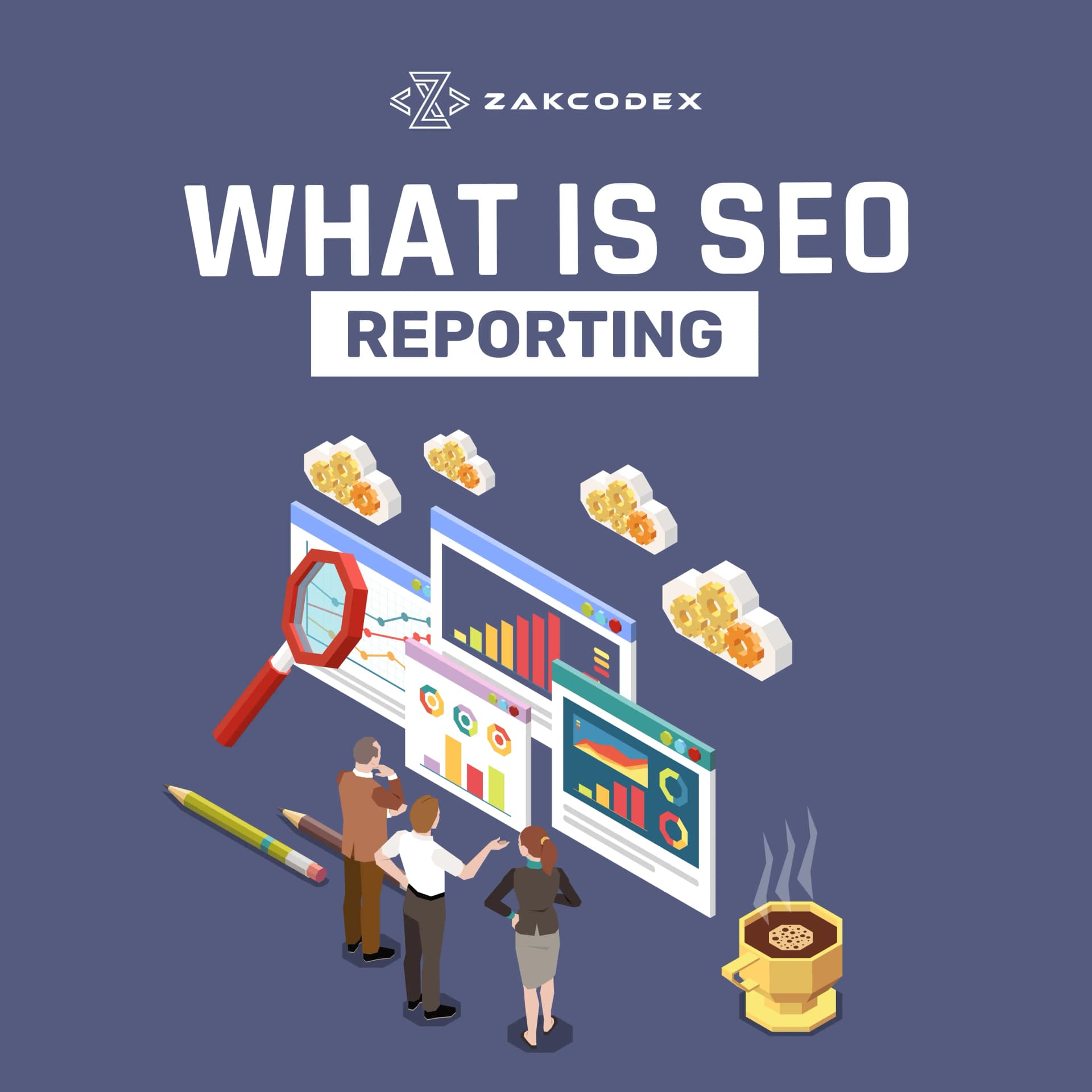
SEO reporting provides a clear picture of how your website is performing in search results. It collects data from different tools, analyzes trends, and presents insights that help you understand what is working and what needs improvement.
Whether you are a marketer, a business owner, or an agency professional, understanding SEO reporting can help you make smarter decisions and get better results.
Understanding SEO Reporting
SEO reporting is the process of tracking, analyzing, and presenting data about a website’s search performance. The goal is to show how SEO activities are affecting visibility, traffic, and conversions.
An SEO report typically includes data from sources like Google Analytics, Google Search Console, Ahrefs, SEMrush, or other analytics platforms. It tracks key performance indicators (KPIs) that represent how well your SEO campaigns are performing.
In short, SEO reporting turns complex data into meaningful insights that help you make informed marketing decisions.
Why SEO Reporting Is Important
Without regular reporting, SEO becomes a guessing game. You may know that rankings have changed, but without structured reports, you cannot see why they changed or what caused improvements or drops.
SEO reporting helps you:
- Measure performance: You can see how your pages are ranking, how much traffic they attract, and what users do after arriving on your site.
- Identify opportunities: Reports show which keywords or pages have growth potential so you can focus your efforts.
- Track ROI: By comparing conversions or sales from organic traffic, you can measure the value SEO brings to your business.
- Improve communication: For agencies and teams, SEO reports make it easier to explain progress to clients or stakeholders in clear terms.
- Adjust strategies: You can detect patterns, seasonal changes, or technical issues early and refine your SEO plan accordingly.
What an SEO Report Usually Includes
A well-structured SEO report focuses on the most relevant metrics and insights. While the exact layout may vary depending on goals and tools, most SEO reports include the following elements.
1. Keyword Rankings
Keyword tracking shows where your website stands in search results for specific queries. Reports often highlight ranking improvements, drops, and new keyword opportunities. Tracking both primary and long-tail keywords gives a full picture of performance.
2. Organic Traffic
Organic traffic refers to visitors who arrive at your site through search engines. This metric is one of the most important indicators of SEO success. An increase in organic traffic typically means that your visibility in search results has improved.
3. Click-Through Rate (CTR)
CTR measures how often users click your link after seeing it in search results. A low CTR might suggest that your title tags or meta descriptions need improvement.
4. Bounce Rate and User Behavior
These metrics show how visitors interact with your content. A high bounce rate may indicate that your content is not meeting user expectations or that the page takes too long to load.
5. Backlink Profile
SEO reports include data about backlinks, which are links from other websites pointing to yours. Quality backlinks are a strong ranking factor because they signal trust and authority. Reports should include the number of backlinks, referring domains, and the quality of those links.
6. Page Speed and Core Web Vitals
Google prioritizes fast, user-friendly websites. Page speed and Core Web Vitals measure how quickly pages load, how stable they appear during loading, and how interactive they are. Tracking these metrics helps ensure a better user experience and stronger rankings.
7. Technical SEO Overview
Technical elements like broken links, crawl errors, XML sitemaps, and structured data are often included in SEO reports. Identifying and fixing technical issues helps search engines index your site properly.
8. Conversion Data
Ultimately, the goal of SEO is not only to increase traffic but also to generate leads or sales. Tracking conversions helps you understand whether organic visitors are taking desired actions, such as signing up, purchasing, or contacting you.
Types of SEO Reports
There are different types of SEO reports depending on who is reading them and what they need to know.
1. Client Reports
Agencies use these reports to communicate progress to clients. They focus on clear results, trends, and ROI, avoiding technical jargon.
2. Internal Reports
Businesses create internal reports for marketing teams and management. These focus on performance, technical health, and ongoing strategies.
3. Executive Reports
Executive summaries highlight only the most important metrics, such as traffic growth, keyword performance, and conversions, to support high-level decision-making.
4. Technical SEO Reports
These reports focus on crawl issues, site architecture, and on-page performance. They are useful for developers and SEO specialists working on website maintenance and optimization.
Tools Commonly Used for SEO Reporting
To build accurate reports, SEO professionals rely on several tools that collect and analyze performance data.
- Google Analytics provides traffic data, user behavior insights, and conversion tracking.
- Google Search Console shows keyword rankings, click-through rates, and indexing status.
- Ahrefs and SEMrush help track backlinks, keyword movements, and competitor performance.
- Screaming Frog identifies technical issues such as broken links and missing tags.
- Data Studio (Looker Studio) allows you to visualize data from multiple sources in customizable dashboards.
Using a combination of these tools ensures your reports are detailed and reliable.
How to Create an Effective SEO Report
Creating an SEO report is not just about pulling data from tools. The real value comes from interpreting that data and explaining what it means for the business. Here are some best practices to make your reports more effective.
- Define your goals: Start by identifying what you want to achieve. Whether it is higher rankings, more traffic, or improved conversions, your report should align with specific objectives.
- Select key metrics: Avoid overwhelming readers with too much information. Choose the most important metrics that show progress and performance.
- Compare over time: Use historical data to show trends. Comparing current results with previous months or quarters gives better insight into growth.
- Add visuals: Charts, graphs, and color-coded indicators make reports easier to understand.
- Explain insights clearly: Numbers alone are not enough. Add a short explanation for every major metric or trend.
- Include next steps: Conclude with actionable recommendations based on the data.
By keeping reports simple, visual, and focused on outcomes, you make it easier for readers to grasp the value of SEO work.
Common Mistakes to Avoid in SEO Reporting
- Focusing only on rankings: High rankings are good, but they mean little if they do not bring qualified traffic or conversions.
- Ignoring user intent: Optimizing for irrelevant keywords may bring visitors who are not interested in what you offer.
- Overloading the report: Adding every metric available can confuse clients or management.
- Not updating regularly: SEO performance changes over time. Monthly or quarterly reports help track progress more effectively.
- Neglecting technical health: Technical issues can quietly reduce rankings even when other metrics look positive.
A well-balanced SEO report provides both performance data and context, ensuring that every number has a clear meaning.
The Role of SEO Reporting in Business Growth
SEO reporting is not just about showing data; it is about guiding business decisions. Regular reports reveal how your website is evolving and where to invest your marketing efforts.
They highlight which products or pages bring the most organic traffic, what keywords drive conversions, and how competitors are performing. With this information, you can make smarter content, design, and advertising decisions.
Ultimately, good SEO reporting turns digital marketing into a measurable, predictable, and scalable process. It helps you prove the value of SEO to decision-makers and ensures every action is supported by data.
Final Thoughts
SEO reporting is the foundation of every successful optimization strategy. It bridges the gap between effort and results, showing what truly drives growth.
Whether you are tracking keyword performance, monitoring traffic, or measuring conversions, consistent reporting helps you stay on course. The insights gained from a well-structured SEO report guide strategy, justify investments, and support long-term success.
If you want your SEO campaigns to deliver real results, make reporting a core part of your workflow.