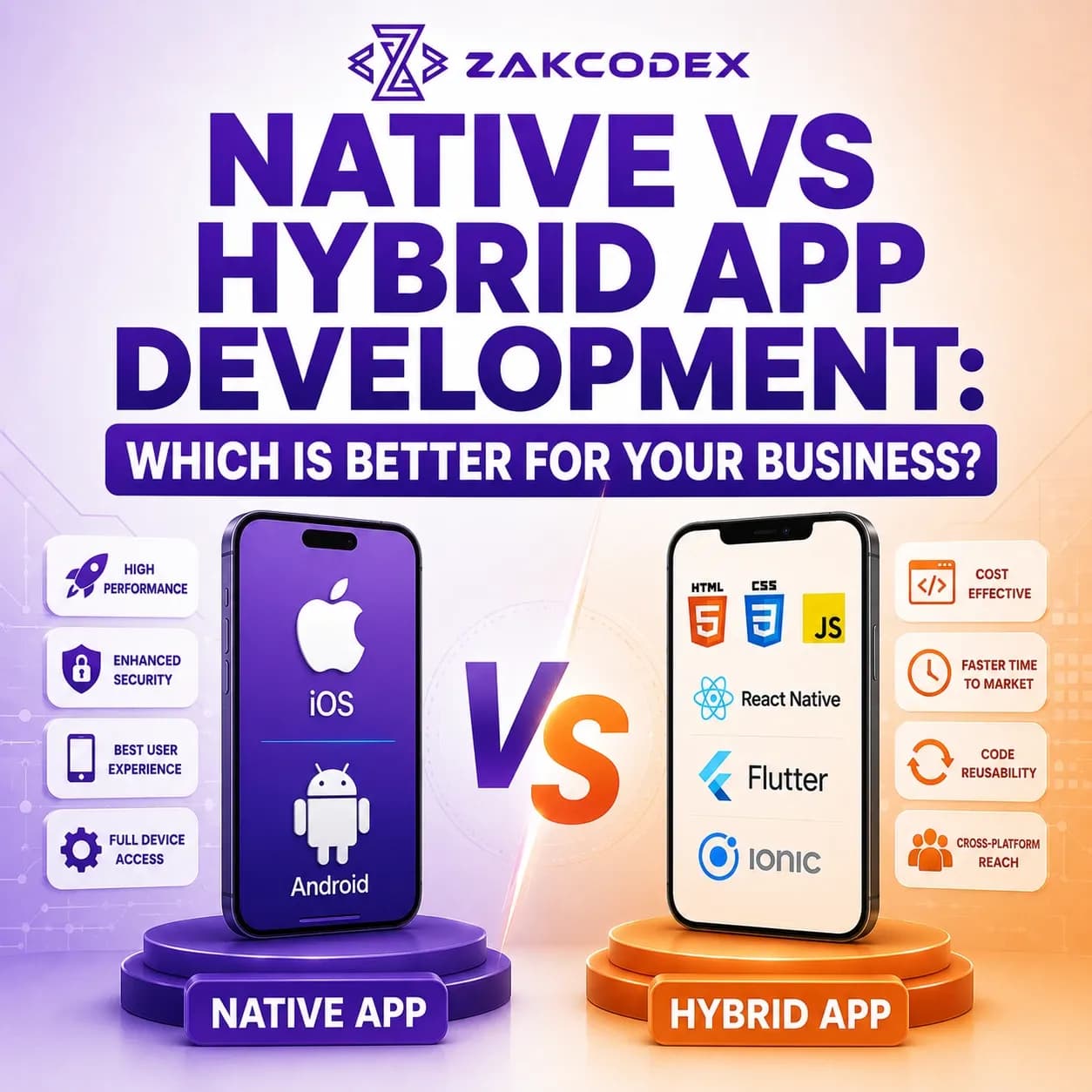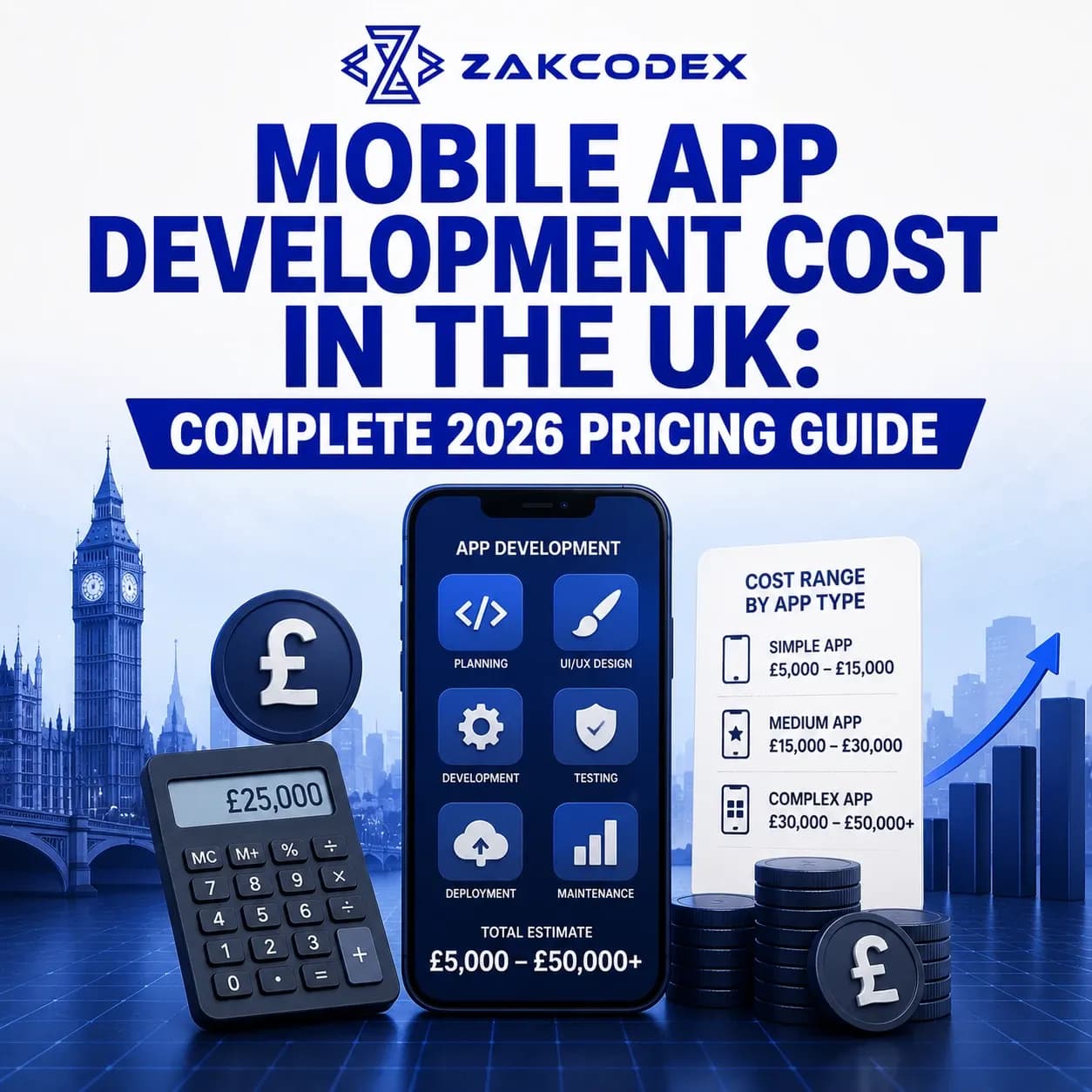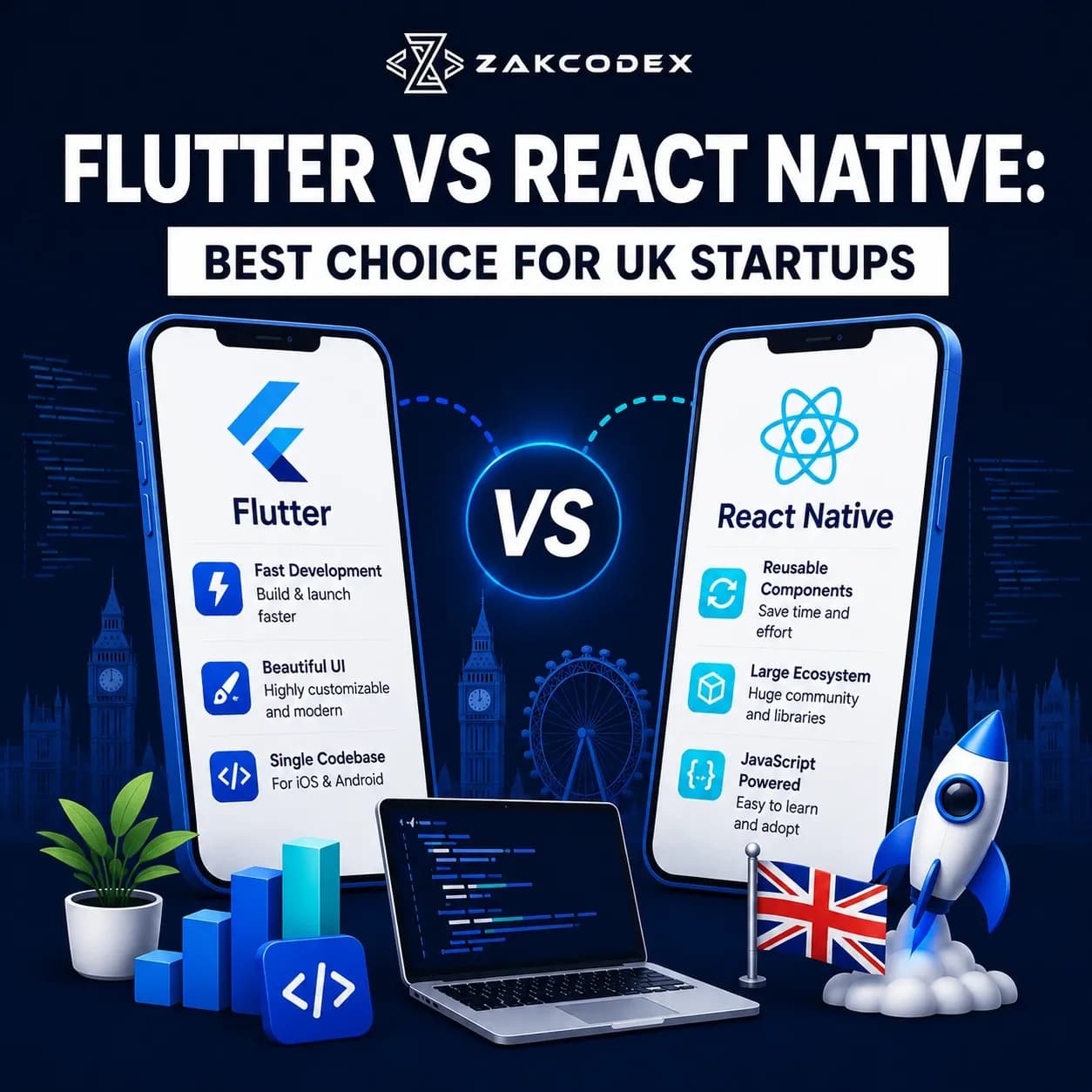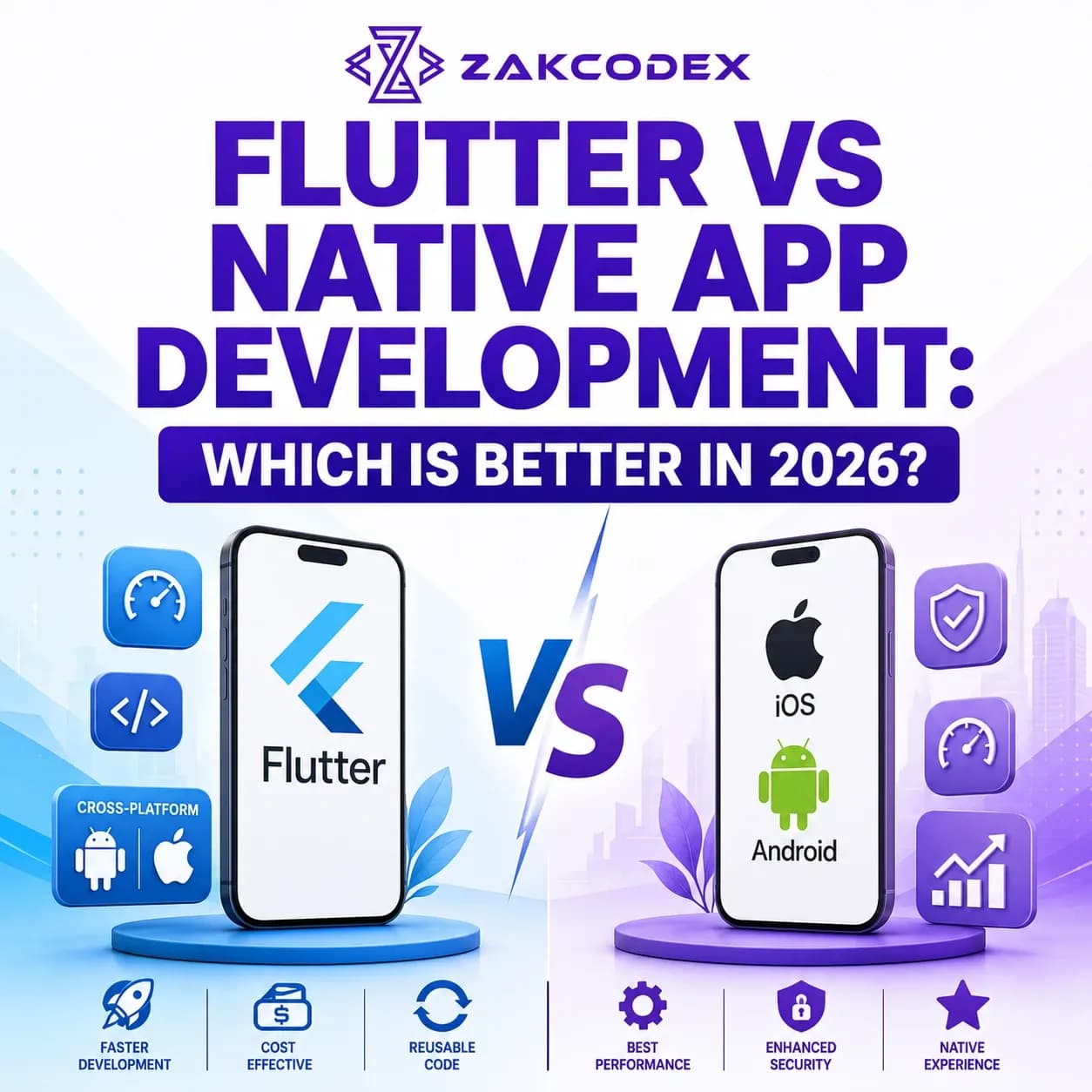
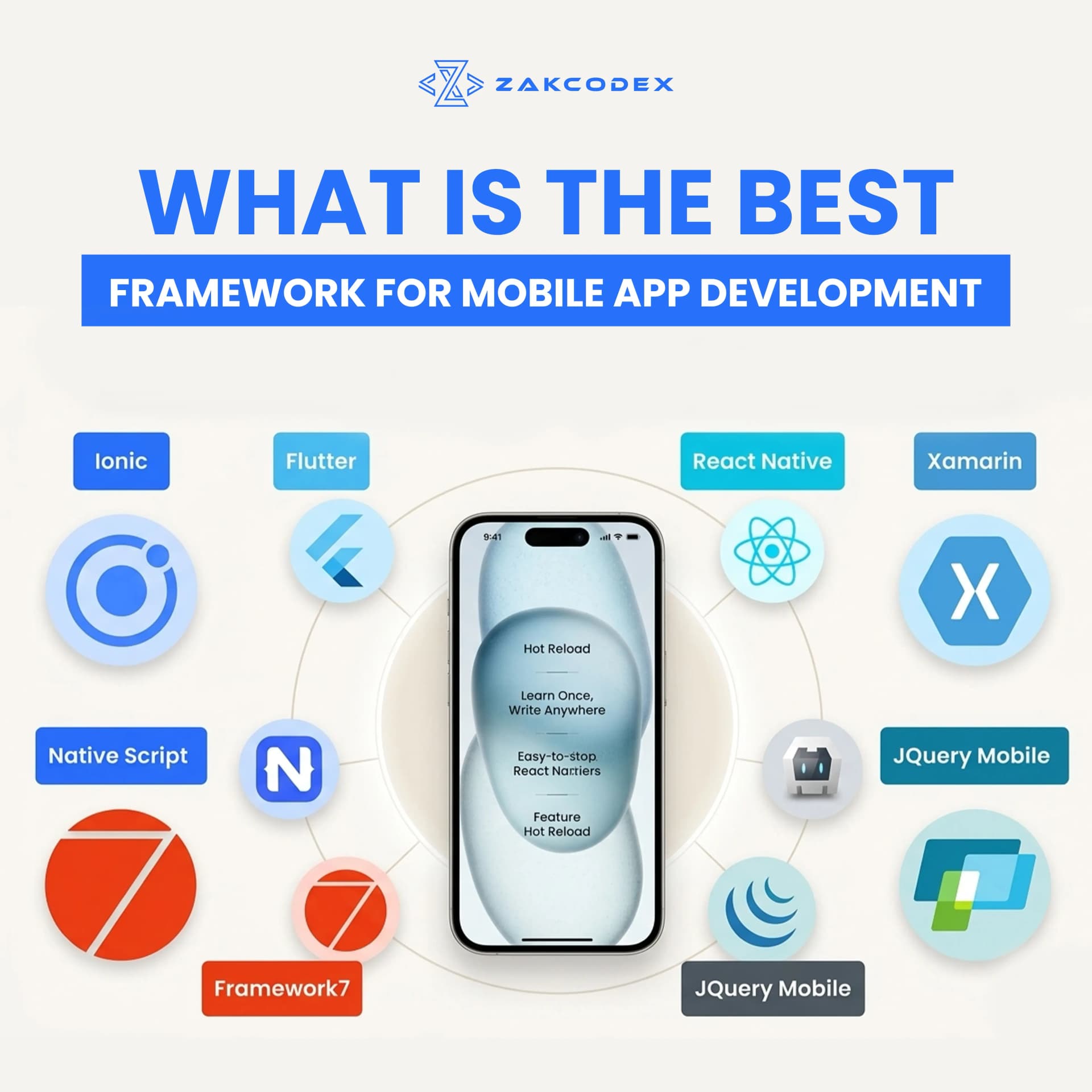
In today’s fast-paced digital era, choosing the right framework for mobile app development can make or break your project’s success. A reliable framework ensures faster development, smoother performance, and cost efficiency. If you are looking for expert guidance, a trusted Mobile App Development Company like ZakCodeX can help you select the perfect framework tailored to your business needs. Whether you are building iOS, Android, or cross-platform applications, understanding the strengths and limitations of each framework is crucial for achieving a seamless user experience.
In this guide, we’ll explore the best frameworks for mobile app development, their advantages, and how they can accelerate your app development journey.
What is a Mobile App Development Framework?
A mobile app development framework is a platform that provides developers with the tools, libraries, and templates needed to build mobile applications efficiently. Frameworks reduce coding time, improve app quality, and ensure cross-platform compatibility in many cases. They also support features such as UI design, database integration, and device hardware access. Choosing the right framework depends on your app’s goals, performance requirements, and budget.
Key Factors to Consider When Choosing a Mobile App Framework
Before diving into specific frameworks, it’s essential to understand the criteria for selecting the best one for your project:
- Platform Compatibility – Determine if you need a native app for iOS or Android or a cross-platform solution.
- Development Speed – Some frameworks provide pre-built components and templates that accelerate development.
- Performance – Consider frameworks that deliver smooth animations and minimal load times.
- Community Support – A large developer community ensures continuous updates and troubleshooting help.
- Cost Efficiency – Open-source frameworks reduce licensing costs while proprietary frameworks may offer premium support.
- Security Features – Choose frameworks with built-in security and compliance options to protect user data.
Top Mobile App Development Frameworks in 2026
Here’s a breakdown of the most popular frameworks used by developers today:
1. React Native
React Native is a JavaScript framework developed by Facebook that allows building cross-platform apps for iOS and Android. It uses a single codebase, reducing development time and cost.
Advantages:
- Hot Reloading for faster updates
- Large community and extensive libraries
- Near-native performance for both platforms
- Easy integration with third-party plugins
Use Cases: Ideal for social media apps, e-commerce platforms, and MVPs requiring quick deployment.
2. Flutter
Developed by Google, Flutter is gaining massive popularity for creating visually appealing apps. It uses Dart programming language and provides a single codebase for multiple platforms.
Advantages:
- Fast development with “hot reload”
- Rich widget library for beautiful UI design
- High performance due to native compilation
- Strong community support and frequent updates
Use Cases: Perfect for apps requiring customized UI, animation-heavy apps, and multi-platform deployment.
3. Xamarin
Xamarin is a Microsoft framework that allows developers to build native iOS and Android apps using C#. It integrates seamlessly with Visual Studio and offers near-native performance.
Advantages:
- Native UI rendering for consistent experience
- Single shared codebase for iOS, Android, and Windows
- Enterprise-level support and integration with Microsoft tools
- Strong security and scalability
Use Cases: Ideal for enterprise apps, banking apps, and apps with complex business logic.
4. Ionic
Ionic is a hybrid app development framework built on Angular and TypeScript. It allows web developers to create mobile apps using familiar web technologies like HTML, CSS, and JavaScript.
Advantages:
- Rapid development with pre-built UI components
- Compatible with multiple platforms
- Access to device hardware through plugins
- Open-source and supported by a large community
Use Cases: Suitable for startups, progressive web apps (PWAs), and apps that need fast prototyping.
5. Swift and Kotlin for Native Apps
While cross-platform frameworks are popular, native frameworks like Swift (iOS) and Kotlin (Android) remain the gold standard for performance and reliability.
Advantages:
- Maximum performance and optimized hardware use
- Full access to device features
- Strong security and app stability
- Preferred for apps with complex animations and heavy processing
Use Cases: High-performance apps, gaming apps, and enterprise solutions where reliability is critical.
Comparing Popular Frameworks
| Framework | Language | Platforms | Pros | Cons |
|---|---|---|---|---|
| React Native | JavaScript | iOS, Android | Fast, cross-platform, large community | Slightly lower performance than native |
| Flutter | Dart | iOS, Android | Beautiful UI, single codebase | Learning curve for Dart |
| Xamarin | C# | iOS, Android, Windows | Enterprise-ready, native performance | Large app size |
| Ionic | JavaScript/HTML/CSS | iOS, Android, Web | Rapid development, familiar web tech | Limited native performance |
| Swift/Kotlin | Swift/Kotlin | iOS/Android | Native performance, stability | Separate codebases needed |
How ZakCodeX Helps You Choose the Right Framework
Selecting the best framework for your app requires expertise, experience, and a deep understanding of your business goals. At ZakCodeX, we help clients choose frameworks that balance speed, cost, and performance. Our team evaluates your app requirements, target audience, and desired features to recommend frameworks like Flutter, React Native, or native technologies to ensure long-term success.
Tips for Successful Mobile App Development
- Define Your Goals Clearly – Identify your target audience and app objectives before starting development.
- Focus on User Experience – Prioritize smooth navigation, intuitive UI, and fast loading times.
- Test Rigorously – Continuous testing ensures bug-free performance across devices.
- Stay Updated – Frameworks evolve rapidly; keep your app updated for security and performance.
- Leverage Expert Help – Partner with a reliable Mobile App Development Company to maximize efficiency and quality.
Trends in Mobile App Development Frameworks
- Cross-platform dominance: Businesses prefer frameworks like Flutter and React Native for faster time-to-market.
- Integration with AI and AR: New frameworks are incorporating AI and augmented reality for smarter apps.
- Focus on PWAs: Progressive web apps are bridging the gap between web and mobile, supported by frameworks like Ionic.
- Low-code and no-code development: Platforms are emerging that reduce the need for manual coding, helping non-developers create apps.
Conclusion
Choosing the best framework for mobile app development is a critical decision that impacts performance, development time, and user experience. Whether you opt for React Native, Flutter, Xamarin, Ionic, or native development with Swift and Kotlin, your choice should align with your project goals, budget, and timeline.
Partnering with a professional Mobile App Development Company like ZakCodeX ensures that you select the right framework, achieve efficient development, and deliver a high-quality app that resonates with your users. With the right expertise, your mobile app can become a powerful tool for growth and engagement in today’s competitive digital landscape.