Think about the last time you left a website or uninstalled an app within minutes. Chances are, it was not because the service was bad but because the experience of using it was frustrating. Now think of the last time you used an app that felt effortless. Every tap, every page, every interaction just made sense. That difference is created by strong UI and UX design.
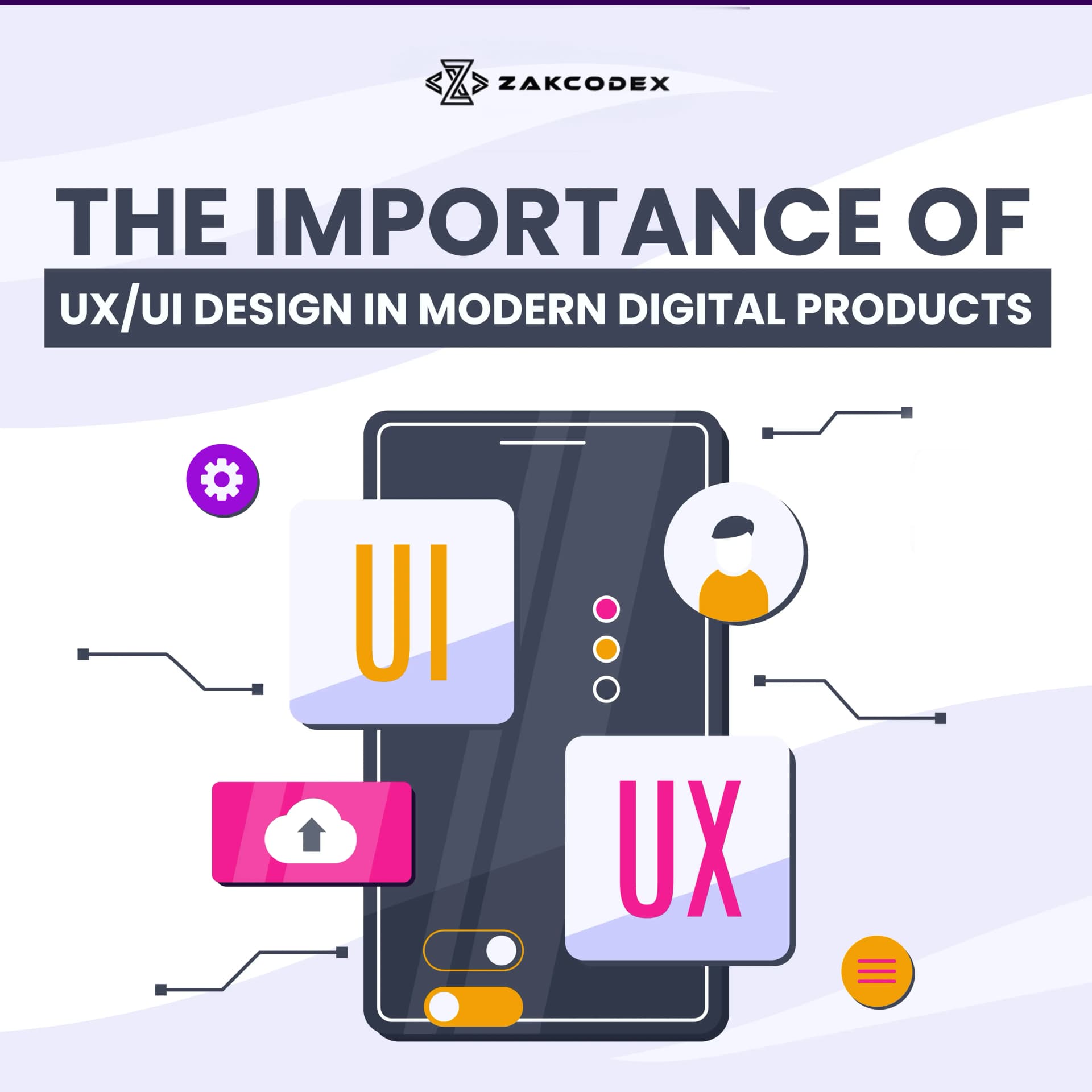
In the digital era, design has moved beyond simple visuals. It is no longer just about how a product looks. It is about how it functions, how it guides the user, and how it shapes an overall experience. Businesses that neglect this crucial area risk high bounce rates and lost customers. Those that invest in UI and UX earn trust, loyalty, and measurable growth.
Why UI/UX Matters for Businesses
The online world is crowded with choices. Users can switch from one app or website to another in seconds. The impression your product makes during the first few moments often decides whether a user stays or leaves. A confusing layout, slow navigation, or poorly structured forms can quickly turn people away. On the other hand, intuitive design, smooth transitions, and simple navigation create satisfaction that keeps people coming back.
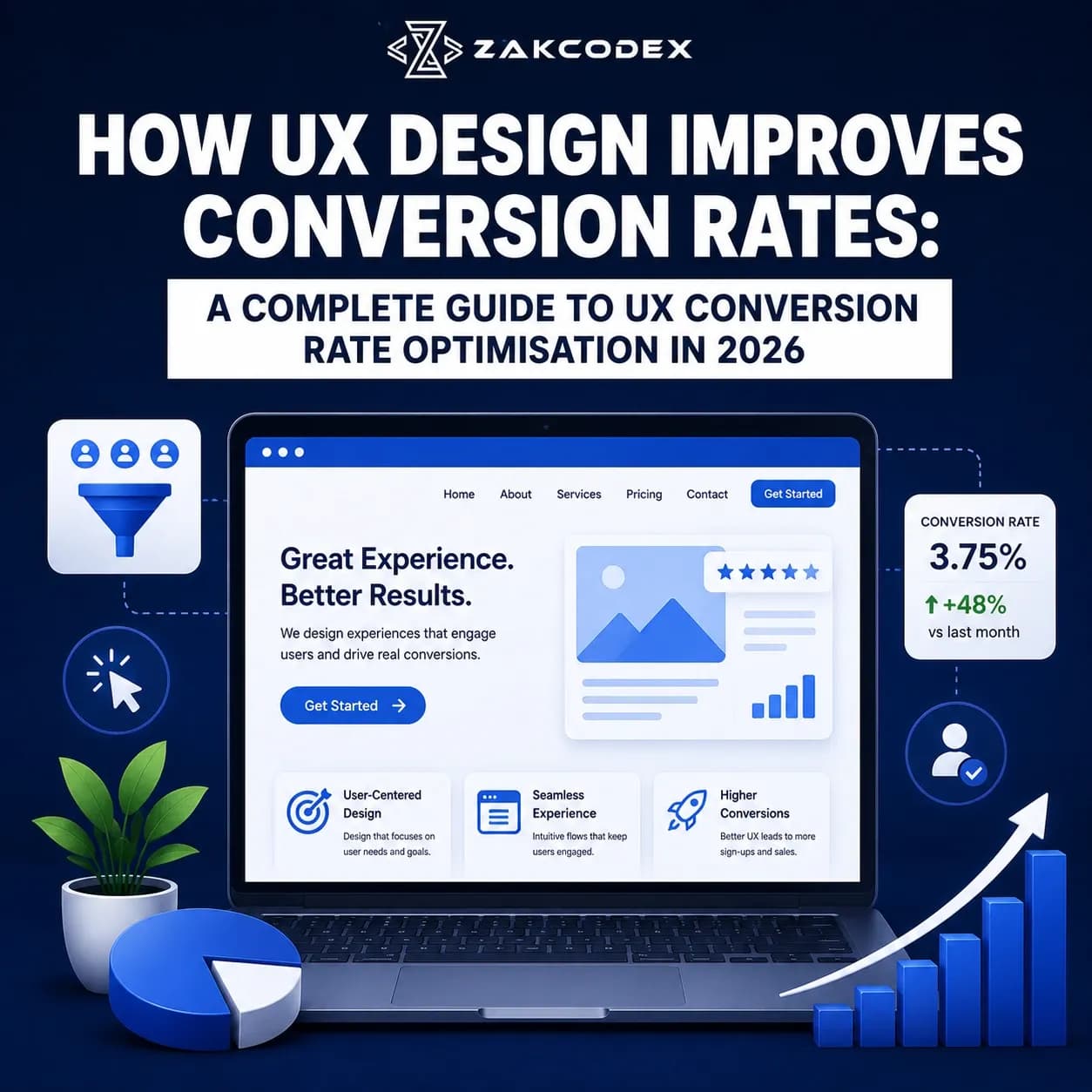
UI/UX design directly influences conversions. In ecommerce, even the placement of a checkout button can determine whether a visitor completes a purchase. In finance apps, a clean dashboard can mean the difference between trust and hesitation. In healthcare platforms, an easy appointment system can make patients more likely to choose your service again.
Principles of Strong UI/UX Design
Although every digital product is different, certain principles shape good design.
- Clarity is the foundation. Users must understand what to do without guesswork.
- Consistency in colours, layouts, and typography builds familiarity and trust.
- Accessibility ensures everyone, including users with disabilities, can interact with your product.
- Responsiveness makes sure websites and apps function well on desktops, tablets, and smartphones.
- Timely feedback such as loading animations or confirmation messages helps users feel confident in every action they take.
When these principles come together, the design feels invisible. People do not notice the effort that went into it. They simply enjoy the experience.
How UI/UX Impacts Different Industries
Ecommerce
A poorly designed online store can kill sales even if products are excellent. When customers struggle to filter items, zoom in on images, or check out quickly, frustration takes over. A well-designed ecommerce website solves these problems. Clear categories, fast product pages, and simplified checkout processes not only improve sales but also increase trust in the brand.
Healthcare
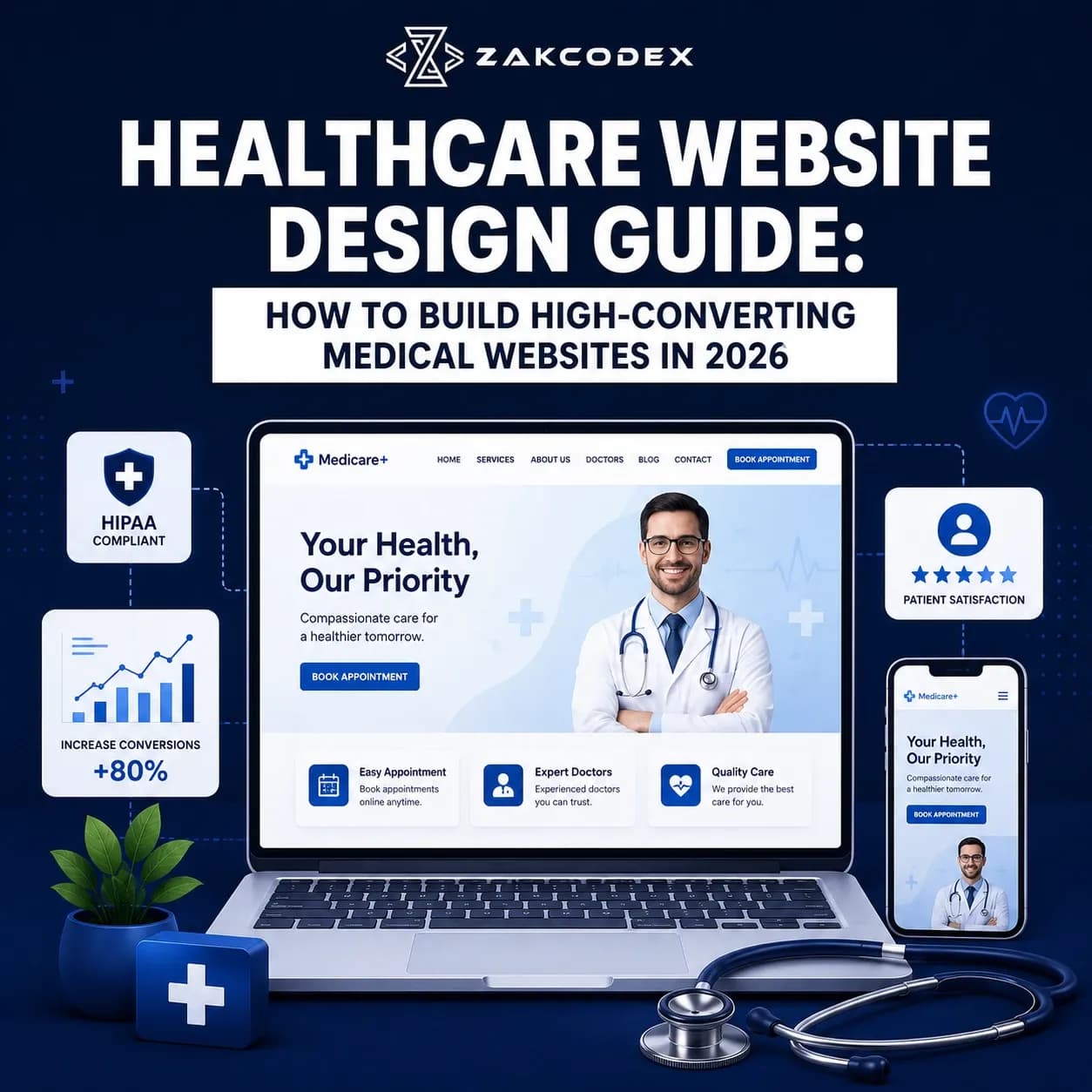
Healthcare apps and websites require clarity above all else. Patients booking appointments or accessing medical records cannot afford confusion. A clean interface with easy navigation improves trust, ensures compliance, and helps users find what they need quickly. Strong design can even encourage patients to use digital platforms more often, reducing the load on in-person services.
Finance
Financial services are built on trust. A poorly designed app full of confusing dashboards undermines that trust instantly. Clean, clear, and secure design reassures customers. When users can see their balance, track spending, or transfer money effortlessly, they feel safe and in control.
Education
Online learning platforms succeed when they keep students engaged. A confusing platform, on the other hand, discourages learners. Good UI/UX design creates clear learning paths, progress tracking, and interactive elements that keep users motivated to continue their education.
The Role of Tools and Technology
Behind every smooth digital experience are powerful tools. Designers today use platforms like Figma and Adobe XD to create prototypes that teams can review before building. Tools such as InVision or Zeplin simplify collaboration between designers and developers. Analytics platforms like Hotjar and Google Analytics provide insight into user behaviour, helping refine designs over time.
These tools do not replace creativity, but they enable designers to test, improve, and deliver experiences that feel natural and intuitive to users.
Trends Shaping the Future of UI/UX
Digital design is constantly evolving.
- Personalisation, where AI adapts apps and websites to individual preferences in real time.
- Voice interfaces, allowing users to interact through natural speech rather than screens.
- Augmented reality and virtual reality creating immersive experiences in retail, healthcare, and education.
- Design details such as dark mode or subtle animations shaping user expectations.
Businesses that embrace these trends early can stand out as innovators and offer experiences that feel modern and forward-looking.
Examples of Strong UI/UX in Practice
Some of the world’s most successful companies are built on user experience.
- Spotify makes discovering and listening to music simple and personalised.
- Airbnb transformed travel by making accommodation booking as easy as browsing a photo gallery.
- Financial apps like Revolut have turned complex banking processes into clear and simple interactions.
These companies did not just build software. They designed experiences that shaped entire industries.
Common UI/UX Challenges
- Focusing too much on aesthetics without thinking about usability.
- Ignoring accessibility and leaving out users with disabilities.
- Skipping usability testing and assuming designs will work for real users.
- Chasing trends without considering whether they serve business goals.
The solution lies in balance. Good design is not about adding features or effects. It is about making things clear, efficient, and valuable for the user while still aligning with business objectives.
Why UI/UX Is the Future of Business Growth
UI/UX is not just a creative discipline. It is a business driver. A strong design shortens sales cycles, reduces customer support needs, and builds brand loyalty. It improves retention by making digital products enjoyable and intuitive. Most importantly, it transforms one-time visitors into long-term users.
In an era where users have endless choices, businesses that focus on design will outperform those that treat it as an afterthought.
Conclusion
UI and UX design are no longer optional. They are central to the success of every digital product. From ecommerce to healthcare and finance to education, design influences every customer interaction. It determines whether people trust your brand, enjoy your services, and continue to return.
Businesses that invest in UI/UX today are preparing for long-term growth. They are building products that people love, not just tolerate. In the end, great design does not just make technology easier to use. It makes businesses stronger, more competitive, and future-ready.